
Hey there, glow-getter! If you’ve ever looked in the mirror and wondered why those stubborn dark spots seem to appear out of nowhere—even when you’re rocking that beautiful melanin—you aren't alone. There is a common myth that dark skin is "immune" to the sun. While our melanin is a literal superpower, the sun (especially that intense SA sunlight) plays a much more complex role in our skin health than most people realize.
Have you ever noticed that a tiny blemish turns into a dark mark that lasts for months? Or perhaps you've seen patches of uneven tone after a weekend outdoors? Today, we’re diving deep into the science of how sunlight interacts with melanin-rich skin and, more importantly, how you can protect your radiance without ever compromising your natural shade.
The "Melanin Shield" Myth
Let’s get the science straight: Melanin is amazing. It provides a natural Sun Protection Factor (SPF) of about 13. While this is higher than lighter skin tones, it is nowhere near enough to block out the UV damage that triggers hyperpigmentation. According to the American Academy of Dermatology (AAD), everyone, regardless of skin color, needs additional protection to prevent skin cancer and premature aging.
When UV rays hit your skin, they stimulate your melanocytes—the cells responsible for pigment. In melanin-rich skin, these cells are "hyper-reactive." This means the sun doesn't just give you a tan; it tells your skin to overproduce pigment in areas where there is already inflammation or damage. This is why that old acne scar suddenly looks like a dark mountain on your face.
What is Post-Inflammatory Hyperpigmentation (PIH)?
You might know it as "dark marks," but the clinical term is PIH. Think of it as your skin’s way of overreacting to a "threat." Whether it's a breakout, a scratch, or even heat, your skin responds by sending a flood of melanin to the area. Add sunlight to the mix, and that "flood" becomes a permanent stain.
Without proper protection, the sun darkens these existing marks and makes them much harder to fade. Research published in PubMed suggests that UV radiation is the primary factor in prolonging the life of hyperpigmentation in skin of color. It’s a cycle: inflammation creates the mark, and the sun anchors it in place.
Why SA Sunlight is Different
The sun in regions like South Africa (or high-intensity areas in the US and Europe) is particularly potent. The UV index often reaches "extreme" levels. For our sisters with deeper skin tones, this means the heat itself can trigger a condition called melasma. Melasma is often hormonal, but it is "woken up" by sun and heat exposure, leading to symmetrical dark patches on the forehead, cheeks, or upper lip.
So, how do we fight back? It’s not about "whitening" or "bleaching" your skin—at Neutriherbs, we find those concepts outdated and harmful. It’s about brightening and clarity. We want to clear the "noise" (the dark marks) so your natural "music" (your skin tone) can shine through.
The Power of Vitamin C: Your Daytime Bodyguard
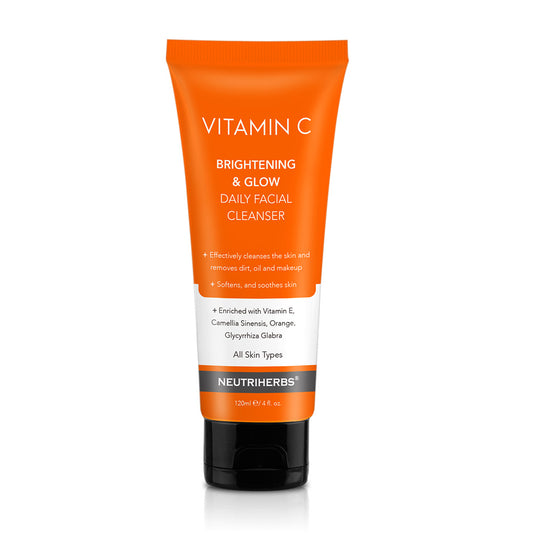
If sunscreen is the shield, Vitamin C is the sword. This powerful antioxidant neutralizes free radicals caused by UV exposure. When applied topically, it inhibits the enzyme tyrosinase, which is responsible for that overproduction of melanin we talked about.
Using a high-quality Vitamin C cream in the morning under your sunscreen creates a double-layered defense. It helps fade existing marks while preventing new ones from forming.

The Non-Negotiable Step: SPF 50
We hear it all the time: "I don't need sunscreen because I don't burn." While you might not turn "lobster red," your skin is still being damaged at a cellular level. To truly treat dark marks, you must stop them at the source.
The most common complaint from people with dark skin is that sunscreens leave a "white cast" or look "ashy." That’s why we’ve formulated solutions that disappear into the skin, leaving only a healthy glow.

Your 3-Step Routine for Sun-Induced Marks
1. Cleanse & Treat: Start with a gentle cleanser followed by our Vitamin C Serum.
2. Moisturize: Use a lightweight moisturizer that supports the skin barrier.
3. Protect: Apply SPF 50 every single morning—even if it's cloudy!
Remember, consistency is the key to clarity. Dark marks didn't appear overnight, and they won't fade overnight. But with the right science-backed ingredients and a little bit of patience, you can achieve that even, radiant glow you've always wanted.
Final Thoughts
Your skin is a masterpiece. It’s a reflection of your heritage and your journey. Don't let the sun dull your shine. By understanding how UV rays affect melanin-rich skin, you can take control of your skincare routine and celebrate your natural beauty with confidence.
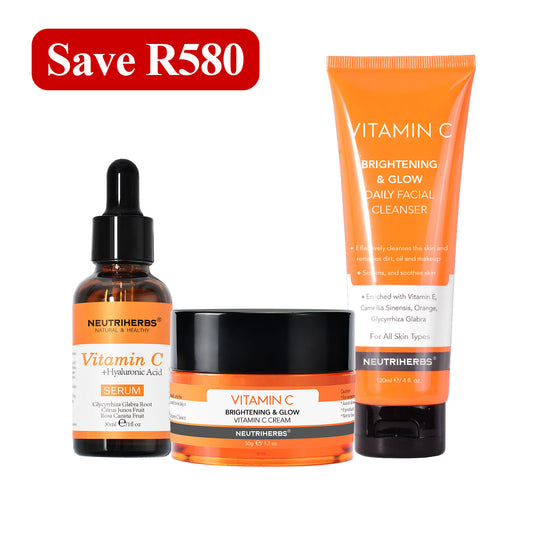
Ready to start your journey to clearer skin? Explore our Vitamin C Brightening Series today and see the difference that respect-driven skincare can make.