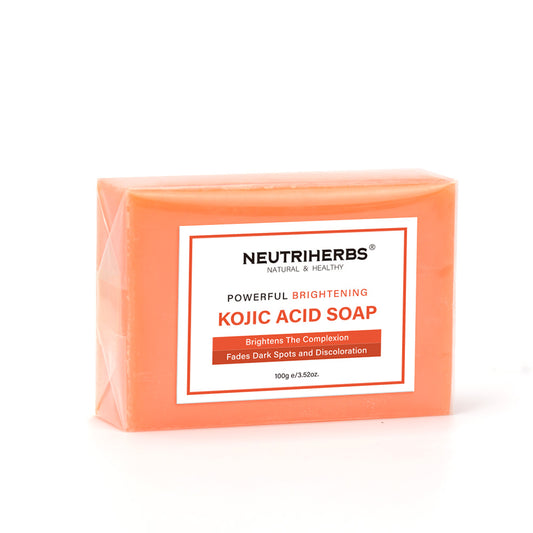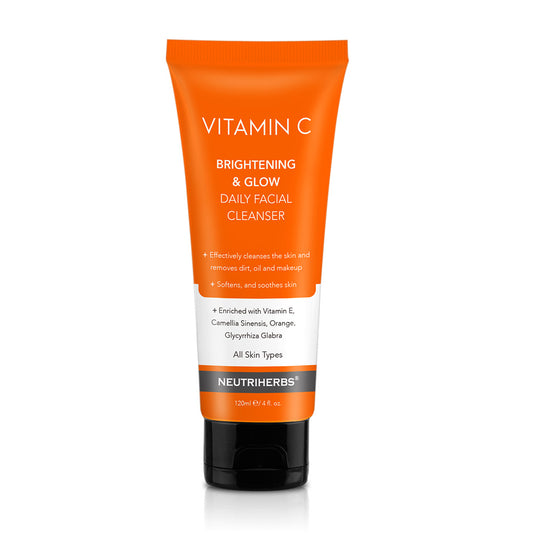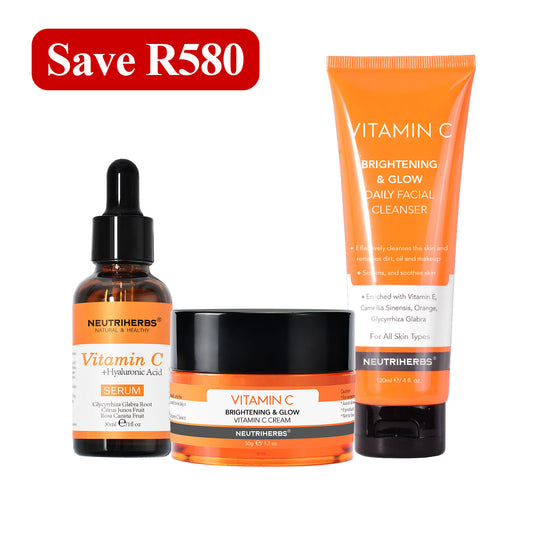

Winter indoor environments can strip your face of essential moisture, significantly increasing redness, roughness, and skin barrier stress (Park et al., 2023). If you are looking for an effective way to soothe winter sensitivity, this conversational guide will help you protect your natural radiance during the colder months.
To calm irritated, rich skin tones in the winter, switch to a low-foaming, non-drying cleanser and apply thick, ceramide-rich creams to prevent transepidermal water loss. Avoid harsh chemical lighteners and focus on deeply hydrating ingredients like plant extracts and squalane to maintain a resilient, radiant complexion.
Read on to discover our foundational tips for rescuing your skin from cold-weather irritation. Let’s dive into how you can transition your routine into a nourishing winter shield without compromising your natural, unique shade.
#1 Upgrade to a Gentle, Non-Stripping Cleanser
When the temperature drops, the relative humidity plunges, leaving the outermost layer of your skin vulnerable to micro-cracking and itching (Wan, 2014). Using a traditional alkaline bar soap or a heavy-foaming cleanser will only wash away your skin's protective hydrolipids, exacerbating that tight, ashy-grey appearance. Research confirms that rich skin tones naturally possess lower levels of ceramides (Alchorne et al., 2024), meaning winter weather can compromise your skin barrier much faster than other skin types.
To counteract this, always wash your face with lukewarm water rather than hot, and use an ultra-mild cleanser that respects your skin’s natural lipid composition. Look for formula bases that incorporate soothing botanical ingredients like aloe vera and licorice root extract to calm inflammation while keeping skin supple.

#2 Lock In Multilayered Hydration
To completely conquer seasonal flakes and irritation, you must address multiple layers of the skin. Applying a single lightweight lotion usually isn’t enough when dry indoor heating continuously pulls moisture from your cells. Environmental factors like low ambient temperatures actively alter your skin's ceramide composition, thereby increasing transepidermal water loss (Camilion et al., 2022).
The most effective modern strategy is to create a three-dimensional hydration network by pairing varying molecular weights of hyaluronic acid with plant-derived squalane. This method actively replenishes water levels from the outside while locking it deeply within your epidermal layers, instantly restoring bouncy elasticity.

#3 Support Your Barrier with Antioxidants and Plant Extracts
Melanated skin requires specialized protection that celebrates its natural resilience without resorting to risky lighteners or bleaching agents. Winter sensitivity often leads to post-inflammatory hyperpigmentation if it isn't treated gently. Instead of turning to aggressive treatments, feed your skin deep nourishment derived from nature, such as South African phoenix grass, bisabolol, and pure vitamin E.
These science-backed, hypoallergenic ingredients work synergistically to alleviate unpleasant stinging, accelerate surface cellular recovery, and restore a gorgeous, lit-from-within glow. For intensive localized care on your hands or body, choose rich, velvety formulations that form a comforting barrier against harsh environmental stressors.

Conclusion
Applying these protective measures will help restore your natural radiance and defend against winter sensitivity. By swapping out harsh soaps and focusing on dermatologist-tested clean beauty, you can confidently maintain healthy, luminous skin all season long. How will you update your routine today?
References
Alchorne, M. M. A., Conceição, K. C., Barraza, L. L., & Milanez Morgado de Abreu, M. A. (2024). Dermatology in black skin. Anais Brasileiros de Dermatologia, 99(3), 327–341. https://pmc.ncbi.nlm.nih.gov/articles/PMC11074564/
Camilion, J. V., Khanna, S., Anasseri, S., Laney, C., & Mayrovitz, H. N. (2022). Physiological, pathological, and circadian factors impacting skin hydration. Cureus, 14(8), e27666. https://pmc.ncbi.nlm.nih.gov/articles/PMC9440333/
Park, E. H., Jo, D. J., Jeon, H. Y., & Na, S. J. (2023). Effects of winter indoor environment on the skin: Unveiling skin condition changes in Korea. Skin Research and Technology, 29(6), e13397. https://pmc.ncbi.nlm.nih.gov/articles/PMC10264749/
Wan, D. C. (2014). Moisturizing different racial skin types. The Journal of Clinical and Aesthetic Dermatology, 7(6), 25–32. https://pmc.ncbi.nlm.nih.gov/articles/PMC4086530/