
If you’ve ever looked in the mirror and noticed dark spots or uneven "patches" on your face or body, you are not alone. In South Africa, hyperpigmentation—those stubborn marks that make your complexion look patchy—is actually the most common skin concern, often ranking even higher than wrinkles for women of all ages.
At Neutriherbs, we believe your natural skin tone is beautiful. Our mission isn't to "whiten" your skin, but to help you achieve the clarity and radiance you deserve. Understanding why these patches happen is the first step toward a glowing, even-toned complexion.
The Top 3 Causes of Patchy Skin in South Africa
For many South African women, patchy skin is more than just a surface issue; it's often a chronic condition tied to our unique environment and biology.
1. Post-Inflammatory Hyperpigmentation (PIH)
This is the most frequent cause of dark spots in melanin-rich skin. In deeper skin tones, any form of inflammation—like a breakout, an insect bite, or a small scratch—triggers the skin to produce extra melanin as it heals. While lighter skin might turn red, darker skin often heals with brown or purplish patches that can linger for months.
2. Melasma (The "Hormonal Mask")
Melasma appears as symmetric, grey-brown patches, typically on the cheeks, forehead, or upper lip. It is highly prevalent in South Africa, particularly among women, and is often triggered by hormonal shifts like pregnancy (sometimes called the "mask of pregnancy"), the use of contraceptives, or menopause.
3. Intense UV Exposure
South Africa’s sunny climate is a major factor. Even if you don't burn easily, UV rays are the primary "fuel" for patchy skin. Sunlight directly activates your pigment-producing cells (melanocytes), making existing dark spots even darker and causing new ones to appear.
How to Restore Your Natural Radiance
Treating patchy skin requires patience and the right ingredients that respect your skin's barrier. Here is our recommended routine for a more even, vibrant look:
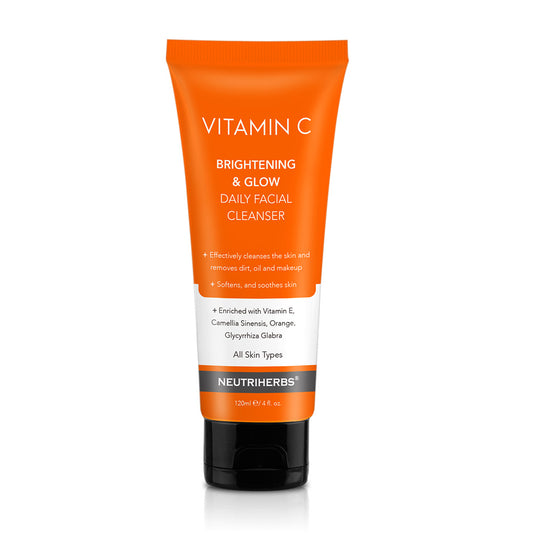
Step 1: Brighten with Vitamin C
Vitamin C is a powerhouse antioxidant that helps inhibit excess melanin production. It doesn't just fade spots; it gives your whole face a healthy "lit-from-within" glow.

Step 2: Protect with Broad-Spectrum SPF
If you aren't wearing sunscreen, your brightening serums won't work. You need a formula that offers high protection without leaving that dreaded "white cast" on dark skin tones.

The Neutriherbs Philosophy: Confidence, Not Whitening
We celebrate every shade. Our formulas are designed to target the specific biology of melanin-rich skin—reducing inflammation and regulating pigment without using harsh, banned agents like hydroquinone or mercury.
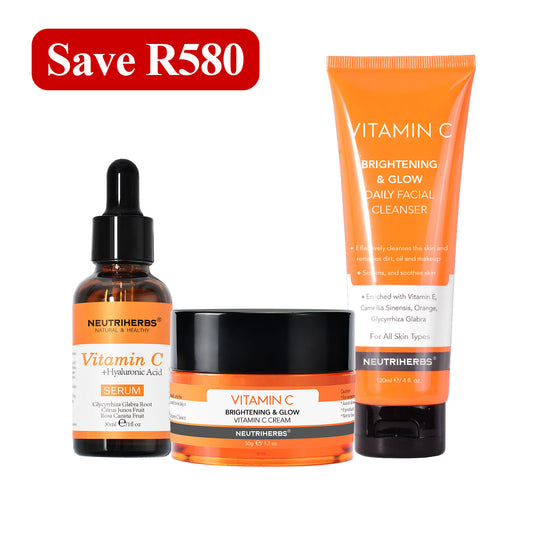
Ready to start your journey to clear, even skin? Explore our Vitamin C Brightening Collection today and let your natural beauty shine!
References:
-
Dlova, N., et al. (2019). "Prevalence of pigmentary disorders: A cross-sectional study in public hospitals in Durban, South Africa." Journal of Clinical and Aesthetic Dermatology.
-
ASAIPA (2017). "SA women's most troublesome skin condition."