
Winter brings crisp air and cozy layers, but for those with melanin-rich skin, cold temperatures and indoor heating can trigger a distinct set of challenges. Melanin-rich skin boasts a natural radiance and built-in UV protection, yet its heightened reactivity means cold, dry weather can quickly lead to barrier damage, dullness, and post-inflammatory hyperpigmentation (PIH).
When cold winds strip moisture from your outer skin layer, the skin's protective barrier weakens, triggering micro-inflammation. In dark skin tones, this inflammation activates melanocytes (pigment-producing cells), turning routine seasonal dryness into persistent dark patches and uneven tone. Taking a proactive, gentle approach to winter care protects your barrier and keeps your natural glow intact all season long.
1. Upgrade to a Barrier-Supportive, Non-Stripping Cleanser
Hot water and harsh foaming cleansers might feel refreshing, but they strip away the essential lipids needed to keep dark skin hydrated and balanced. When your moisture barrier is compromised, skin turns dull, tight, and ash-toned—making hyperpigmentation look significantly more pronounced.
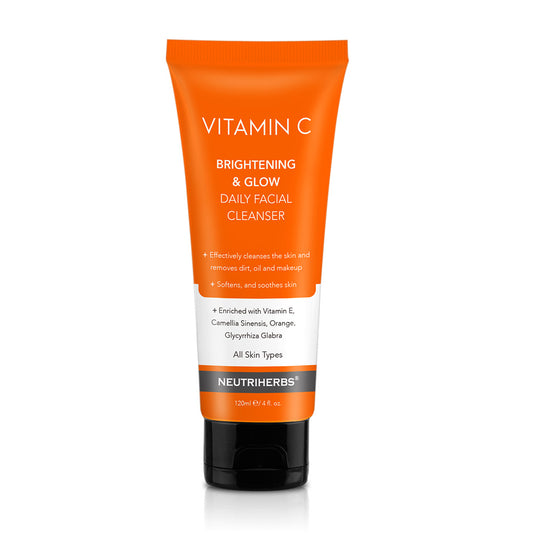
Switching to a mild, pH-balanced cleanser enriched with soothing botanicals or gentle humectants keeps your moisture barrier intact without clogging pores.

2. Lock in Deep Hydration with Layered Moisture
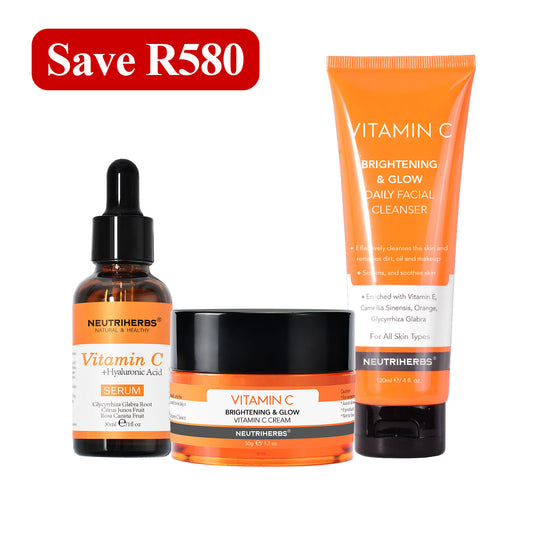
Because dark skin can experience higher rates of transepidermal water loss (TEWL) during colder months, lightweight summer lotions often fall short. To maintain an even, supple complexion, layer your hydration: start with a hydrating serum containing humectants like hyaluronic acid or glycerin, then follow with a rich cream packed with ceramides or plant oils to lock everything in place.
According to research highlighted by the American Academy of Dermatology, applying ceramide-rich moisturizers daily helps retain water in darker skin tones, preventing the micro-cracks that cause irritation and trigger excess pigment production.
3. Target Dark Spots with Mild Brightening Actives
Winter is the ideal season to focus on fading dark spots and hyperpigmentation left behind by summer breakouts or sun exposure. However, harsh chemical exfoliants or aggressive bleaching agents can backfire on melanin-rich skin, causing further irritation and secondary pigmentation.
Look for gentle, dermatologist-tested active ingredients like Niacinamide (Vitamin B3) and Vitamin C. Niacinamide blocks the transfer of pigment to surface skin cells, while Vitamin C neutralizes free radicals and inhibits tyrosinase—the enzyme responsible for excess melanin production. Combining these gentle brighteners restores an even tone while supporting overall skin health.

4. Keep Wearing Daily Broad-Spectrum Sunscreen
A common winter myth is that sunscreen is only necessary during bright summer months. While UVB rays (which cause sunburns) are weaker in winter, UVA rays remain constant year-round and penetrate deeply through clouds and glass.
UVA radiation and visible light directly stimulate melanocytes, causing existing hyperpigmentation to darken and new spots to form. As detailed in clinical reviews published by the National Center for Biotechnology Information, consistent photoprotection using a broad-spectrum SPF 30 or higher is non-negotiable for preventing dyschromia and post-inflammatory marks on dark skin tones.
Celebrate Your Natural Glow This Winter
Winter skin care for dark skin tones isn't about altering your shade—it’s about protecting your skin’s barrier, boosting moisture, and celebrating your natural radiance with safe, clean beauty practices. With gentle hydration and daily sun protection, you can enjoy a bright, healthy, perfectly balanced complexion all winter long.