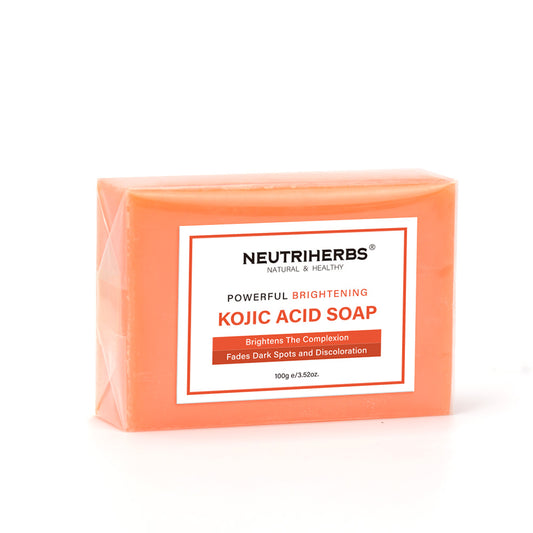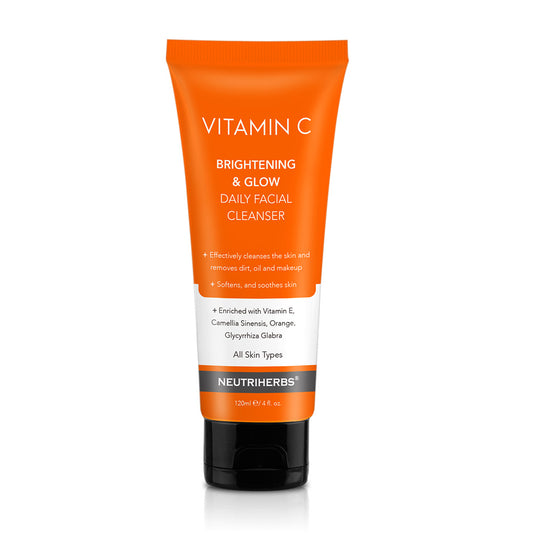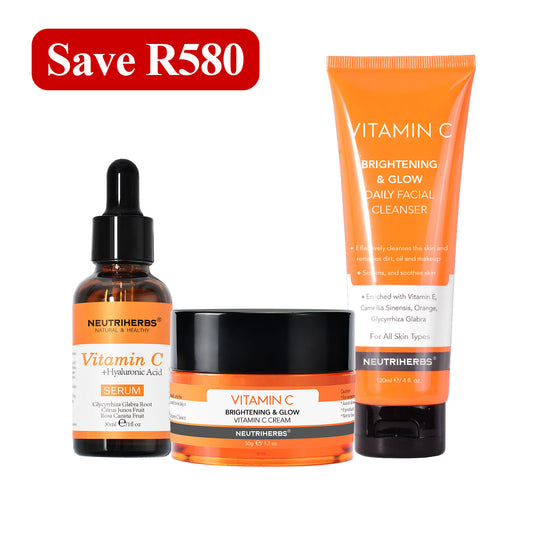

Establishing your skincare routine can feel like navigating a maze, especially when ingredients like Kojic Acid are surrounded by so much chatter. If you have a melanin-rich skin tone, you’ve likely heard a mix of high praise and cautionary myths about this popular ingredient.
Is it a miracle worker for dark spots, or is it just another "bleaching" agent in disguise? At Neutriherbs, we believe that Confidence, Not Whitening is the ultimate goal. You deserve a complexion that is clear and radiant, not one that is stripped of its natural identity.
In this guide, we’re breaking down the top myths about Kojic Acid specifically for our South African community and skincare lovers with dark skin tones.
What exactly is Kojic Acid?
Before we dive into the myths, let's look at the facts. Kojic Acid is a naturally occurring compound derived from certain types of fungi (mushrooms) and is also a byproduct of fermenting foods like Japanese sake and soy sauce. In skincare, it’s celebrated as a "tyrosinase inhibitor."

Essentially, it signals the enzymes in your skin that produce melanin (the pigment) to slow down. For someone with dark skin, this is a game-changer for treating stubborn post-inflammatory hyperpigmentation (PIH) left behind by acne or sun damage.
Myth #1: Kojic Acid is a "Bleaching" Agent
This is perhaps the biggest misconception. Because Kojic Acid is so effective at fading dark spots, it often gets lumped in with harsh, unsafe bleaching chemicals like mercury or high-dose steroids.
The Truth: Kojic Acid is a brightener, not a bleacher. It does not "strip" or "burn" your skin's natural pigment. Instead, it works with your skin’s natural processes to inhibit the excess production of melanin in targeted areas. It helps your skin return to its natural, even state rather than making it "whiter" than your original shade.
Myth #2: The Results are Permanent
We often get asked, "Once my dark spots are gone, will they stay gone forever?"
The Truth: Kojic Acid does not permanently alter your skin’s DNA. The changes it makes are temporary and maintenance-based. If you stop using it and then spend hours in the sun without protection, your tyrosinase enzymes will go right back to work, and those dark spots can return.
Consistency is your best friend here. Think of it as a workout routine for your skin’s radiance—it works as long as you keep it up!

Myth #3: It’s Dangerous for Melanin-Rich Skin
There’s a fear that active ingredients will cause "rebound hyperpigmentation" or "ghostly" patches on dark skin.
The Truth: Scientific reviews, including those on PubMed, confirm that Kojic Acid is safe for human use at concentrations of 1–2%. In fact, it is often recommended by dermatologists as a safer, gentler alternative to hydroquinone for patients with dark skin (Fitzpatrick types 4, 5, and 6).
When used correctly, it targets only the splotchy, uneven areas until they match your surrounding skin tone.
How to Safely Use Kojic Acid in Your Routine
If you’re ready to add this powerhouse to your shelf, follow these pro tips to avoid irritation:
-
Start Low and Slow: Look for products with a 1% concentration and use them every other night at first.
-
Pair with Professionals: Kojic Acid works even better when paired with other brighteners like Vitamin C or Niacinamide.
-
Sunscreen is Non-Negotiable: By inhibiting melanin (your skin's natural sun shield), your skin becomes more sensitive to UV rays. Always finish your morning routine with an SPF 50 to protect your results.

Ready to Embrace Your Natural Glow?
Kojic Acid doesn't have to be scary. When you ignore the myths and follow the science, it becomes a reliable partner in your journey toward even, radiant skin.
Explore the full Neutriherbs collection today and celebrate every shade of you!
References:
-
PubMed: "Biological activities and safety data of kojic acid and its derivatives: A review"
-
American Academy of Dermatology (via NBC News): "The best kojic acid products to reduce hyperpigmentation"