
Did you enjoy your summer under the sun? While those beach days and backyard BBQs are great for the soul, they often leave a lasting mark on melanin-rich skin. Have you noticed new dark spots, a bit of "dullness," or patches that just won’t even out?
You aren't alone. For those of us with deeper skin tones, sun damage doesn't always look like a red burn; it often shows up as persistent hyperpigmentation or a loss of that natural "glow" we love. But don't worry—your skin is resilient! It just needs a little post-summer "reset."
1. Rebuild Your Moisture Barrier
The summer heat, salt water, and chlorine can strip away your skin's natural oils, leaving your barrier compromised. A "leaky" barrier makes your skin more prone to irritation, a leading trigger of hyperpigmentation in dark skin.
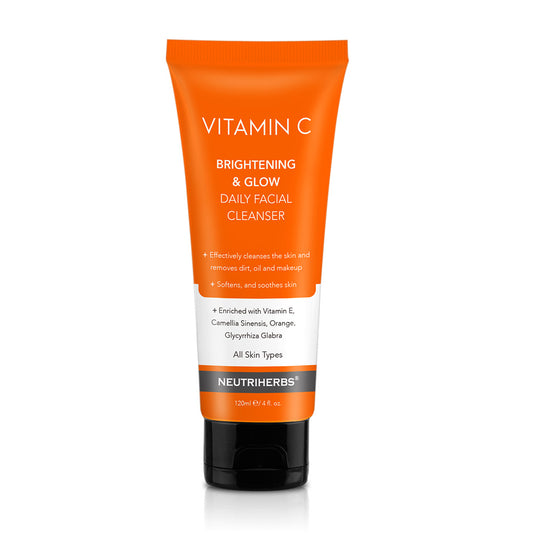
Start by swapping out harsh, stripping cleansers for a nourishing formula that replenishes as it cleanses. Look for ingredients like Vitamin E and Avocado Oil to soothe sun-stressed skin immediately.

2. Fade Dark Spots with Vitamin C
Vitamin C is the "holy grail" for post-summer repair. It acts as a tyrosinase inhibitor, which is a fancy way of saying it helps stop your skin from overproducing melanin in response to sun damage.
For dark skin, Vitamin C is especially powerful because it brightens without "bleaching." It targets the sunspots and uneven areas to reveal your natural, uniform radiance. Experts recommend a concentration between 10% and 20% for the best results without irritation.

3. Gentle Exfoliation is Your Best Friend
To get rid of that "dull" summer layer, you need to encourage cell turnover. However, be careful! Over-exfoliating dark skin can actually cause more hyperpigmentation (known as PIH).
Choose gentle Alpha Hydroxy Acids (AHAs) like Lactic or Glycolic acid. These work to dissolve the "glue" holding dead, pigmented skin cells together, allowing fresh, bright skin to surface.

4. Don't Stop the SPF
It’s a common myth that you can stop wearing sunscreen once the temperature drops. In reality, UV rays—especially UVA rays—are present year-round and can darken existing sunspots even in the winter.
According to the American Academy of Dermatology (AAD), daily use of a broad-spectrum sunscreen with at least SPF 30 is essential to prevent hyperpigmentation from getting worse.

5. Hydrate from the Inside Out
Repairing sun damage isn't just about what you put on your skin. The sun parches your body, and dehydrated skin looks older and more textured.
Drink plenty of water and load up on antioxidant-rich foods like citrus fruits and leafy greens to support your skin’s natural repair process from the inside.
Conclusion
Your summer memories should last, but your sun damage shouldn't! By focusing on barrier repair, targeted brightening with Vitamin C, and consistent protection, you can hit the "reset" button and step into the new season with a healthy, even glow.
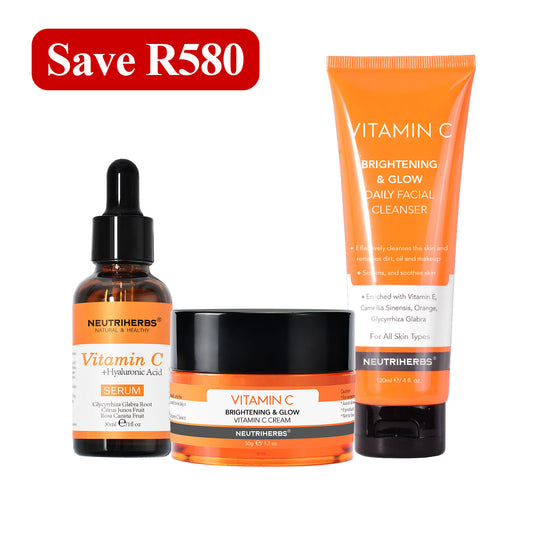
Ready to start your reset? Explore the Neutriherbs Vitamin C Brightening Bundle and give your skin the love it deserves!
Authentic References:
-
WebMD: Skin Conditions in Dark Skin – https://www.webmd.com/skin-problems-and-treatments/skin-conditions-people-with-dark-skin
-
American Academy of Dermatology (AAD): How dermatologists treat sun-damaged skin – https://www.aad.org/public/everyday-care/sun-protection/sun-damage-skin/wrinkles-sun-damage-can-be-treated