
Have you ever noticed your skin feeling tight, itchy, or inexplicably dull after a relaxing shower? If you live in South Africa, the culprit might not be your skincare routine at all. It could be the very water coming out of your tap. Tap water across many regions in SA is rich in dissolved minerals—often referred to as "hard water"—and it plays a massive, often hidden role in how your skin behaves every single day.
For our community with rich, melanin-dense skin, understanding how these minerals interact with your skin barrier is an absolute game-changer. At Neutriherbs, we don’t believe in altering your natural tone through harsh whitening. Instead, we embrace Confidence, Not Whitening. Our goal is to protect your natural radiance by giving you the knowledge and clean beauty tools to fight back against environmental stressors, including the water in your bathroom. Let's look at exactly what tap water is doing to your skin and how you can fix it.
#1 The Mineral Invisible Film Triggers Extreme Dryness
When tap water contains high levels of dissolved calcium and magnesium ions, it doesn't rinse away cleanly. Instead, these minerals bind to the natural oils on your skin and the surfactants in standard soaps, leaving behind an invisible, microscopic residue often compared to "soap scum" (Walters et al., 2016). This film acts like a suffocating blanket on your stratum corneum—the outermost layer of your skin.
This mineral barrier aggressively saps moisture from your skin cells, causing a massive spike in Transepidermal Water Loss (TEWL) (Harwood, n.d.). For dark skin tones, this rapid dehydration can quickly transform into a stubborn ashy cast. When melanin-rich skin loses its core hydration, it immediately loses its natural depth and glowing vibrancy, leaving you feeling uncomfortable and looking depleted.
#2 Disrupted Skin pH Leads to Chronic Irritation
Healthy skin naturally has a slightly acidic pH, which helps keep your protective barrier strong and resilient. However, mineral-heavy tap water is highly alkaline. Every time you wash your face with hard tap water, you force your skin's pH to spike upward, throwing your entire epidermal ecosystem out of balance (Mijaljica, n.d.).
This sudden shift in pH deactivates the crucial enzymes responsible for lipid production and natural exfoliation (Igielska-Kalwat, 2026). When these enzymes can't work, your skin barrier becomes highly vulnerable, leading to redness, dry patches, and sudden chemical sensitivity. Instead of a smooth, uniform texture, you are left with rough, easily agitated skin that struggles to protect itself.
The Ideal Mineral Defense Routine
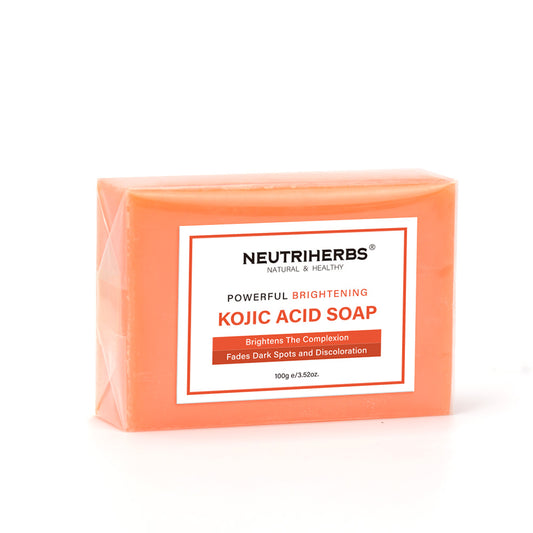
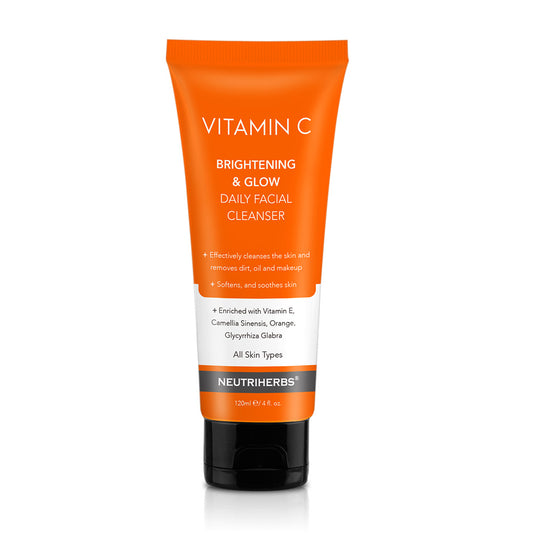
To break down this mineral buildup without stripping away your skin's natural moisture, a dedicated daily care routine is your best defense:

#3 Post-Inflammatory Hyperpigmentation (PIH) Gets Worse
Melanin-rich skin possesses highly active melanocytes—the cells responsible for skin pigment. While this offers incredible natural protection, it also means that any form of chronic irritation can cause these cells to overproduce pigment, leading to dark spots and uneven tone (Addor & Aoki, 2010). This is exactly how hard water quietly steals your glow.
Because the minerals scrape and irritate the skin barrier day after day, your skin remains in a state of low-grade, continuous inflammation. This constant micro-injury signals your melanocytes to go into overdrive, causing existing dark spots to linger longer and making uneven patches look significantly more pronounced. Protecting your skin from hard water is a crucial step in maintaining long-term clarity.
#4 Your Expensive Serums and Moisturizers Stop Working
Are you investing in premium skincare products but not seeing real results? The minerals in your water might be standing in the way. The microscopic layer of calcium and magnesium left behind by tap water creates a literal physical shield over your pores (Walters et al., 2016).
Because this mineral film clogs the pathways to your stratum corneum, your target active ingredients cannot penetrate deep enough to do their jobs. Your nourishing oils, hydrating serums, and protective creams simply sit atop the mineral buildup, completely wasting their potential. To unlock the true power of your clean beauty routine, you must neutralize these minerals first.
Balance and Rehydrate Your Barrier
Instantly clear away lingering mineral impurities and reset your skin's natural pH with a gentle, alcohol-free treatment balance:

#5 Eczema and Dermatitis Flares Are Easily Triggered
For those with sensitive skin or conditions like atopic dermatitis, hard tap water is a major environmental trigger. Scientific research shows that high levels of uncomplexed calcium ions directly interfere with normal epidermal differentiation and skin barrier formation (Walters et al., 2016).
When the barrier is fundamentally weakened by these minerals, external irritants, allergens, and bacteria easily breach your skin’s defense system. This breakdown triggers painful eczema flare-ups, intense itching, and localized dry patches. For dark skin tones, managing these flares is vital because the resulting inflammation often leaves behind deep, stubborn hyperpigmentation marks that take months to fade.
Take Back Your Natural Radiance
You can't easily change the municipal water system in your city, but you can completely change how you protect your skin barrier. By implementing a clean, dermatologist-tested routine that removes mineral deposits, balances your skin's natural pH, and intensely hydrates your skin, you can bypass tap water damage entirely.
Ready to restore your skin's luminous, healthy bounce? Shield your barrier and seal in deep, daily antioxidant protection with our rich, non-whitening formula:

Explore the complete Neutriherbs Vitamin C Series today to defend your skin, respect your natural shade, and let your authentic radiance shine through!
References
-
Addor, F. A. S., & Aoki, V. (2010). Skin barrier in atopic dermatitis. Anais Brasileiros de Dermatologia, 85(2), 184–194. https://pdfs.semanticscholar.org/795b/9f84a30ef3cb50f5b36af77b42caf43663de.pdf Cited by: 102
-
Igielska-Kalwat, J. (2026). Skin examination in extreme conditions. Frontiers Publishing Partnerships, 15045. https://www.frontierspartnerships.org/journals/acta-biochimica-polonica/articles/10.3389/abp.2026.15045/full
-
Harwood, A. (n.d.). Moisturizers. StatPearls - NCBI Bookshelf. https://www.ncbi.nlm.nih.gov/books/NBK545171/ Cited by: 27
-
Mijaljica, D. (n.d.). Recognizing and Managing Skin Integrity Issues in Compromised Aging Skin: The Importance of Gentle Skin Cleansing, Adequate Moisturization, and Skin Barrier Protection. MDPI, 6(2), 16. https://www.mdpi.com/2673-6179/6/2/16
-
Walters, R. M., Anim-Danso, E., Amato, S., Capone, K., Mack, M. C., Telofski, L., & Mays, D. (2016). Hard water softening effect of a baby cleanser. Clinical, Cosmetic and Investigational Dermatology, Volume 9, 339-345. https://pmc.ncbi.nlm.nih.gov/articles/PMC5072514/ Cited by: 14