
Winter weather can be deceptively harsh on melanin-rich skin, leaving stubborn dark marks while cold air strips away moisture. If you are trying to restore an even tone without damaging your moisture barrier, deciding between active ingredients can feel overwhelming.
ANSWER SECTION
Lactic acid is generally better for winter pigmentation because it combines gentle exfoliation with humectant hydration, minimizing the risk of irritation. Kojic acid is an effective tyrosinase inhibitor, but it can trigger barrier dryness or irritation in winter, heightening the risk of post-inflammatory hyperpigmentation.
READ ON: Discover how both actives function beneath the surface, why melanin-rich skin reacts differently in cold weather, and how to safely layer them for radiant skin all season.
The Winter Pigmentation Dilemma for Melanin-Rich Skin
Winter creates a unique set of challenges for darker skin tones. When outdoor temperatures drop and indoor heating kicks into high gear, the humidity plummets, accelerating transepidermal water loss (TEWL). For melanin-rich skin, this dryness compromises the skin's outer lipid matrix.
When a deeper complexion becomes irritated or excessively dry, melanocytes can overreact, releasing surplus melanin that leads to post-inflammatory hyperpigmentation (PIH). Choosing an active that corrects discoloration while respecting the moisture barrier is critical to avoiding further dark spots.
How Kojic Acid Works: The Tyrosinase Suppressor
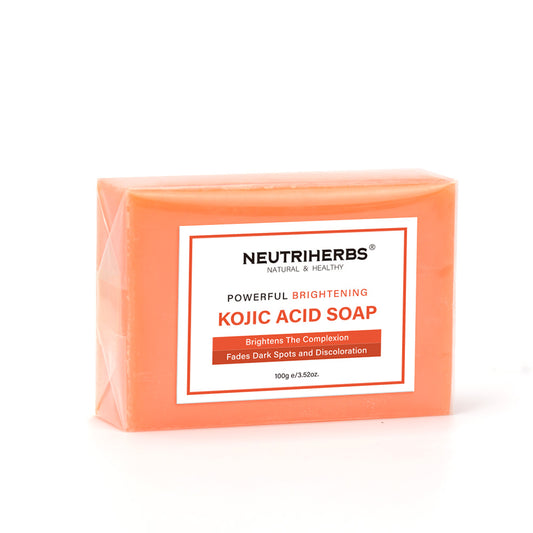
Kojic acid is a naturally occurring compound derived from fungi during the fermentation of foods like sake and soy sauce. It functions primarily as an antioxidant and a tyrosinase inhibitor, which binds the copper ions required by tyrosinase to synthesize melanin.
By shutting down melanin synthesis at the root, kojic acid is effective for sunspots, melasma, and stubborn post-acne blemishes. However, pure kojic acid does not offer moisturizing benefits. During cold winter months, using it on bare or parched skin can occasionally cause localized contact dermatitis or stinging, which can inadvertently trigger PIH in sensitive skin types.

How Lactic Acid Works: The Hydrating Exfoliant
Lactic acid is a naturally derived alpha hydroxy acid (AHA) with a larger molecular size than glycolic acid, meaning it penetrates the stratum corneum more slowly and uniformly. This gradual action makes it significantly gentler on dark skin tones, reducing the danger of inflammatory triggers.
Beyond lifting dead, pigment-laden keratinocytes to reveal fresh radiance, lactic acid acts as a humectant. It is part of the skin’s natural moisturizing factor (NMF), drawing water into the epidermis to reinforce barrier function and address uneven tone. Clinical studies confirm that lactic acid offers an effective, well-tolerated chemical peeling option for hyperpigmentation in darker skin types.

Head-to-Head Comparison for Cold Weather
Choosing between the two depends heavily on your current barrier health and winter climate:
| Attribute | Kojic Acid | Lactic Acid |
| Primary Action | Direct tyrosinase inhibitor | Keratolytic exfoliant & humectant |
| Hydration Impact | Neutral (can feel drying in cold air) | Increases hydration & preserves NMF |
| Risk of Winter PIH | Moderate (if dermatitis occurs) | Low (due to gentle penetration & barrier support) |
| Ideal For | Stubborn, isolated dark spots | Dullness, rough texture, and widespread discoloration |
For most people dealing with cold wind and low indoor humidity, lactic acid provides the balanced corrective action and moisture retention needed to brighten without triggering reactive pigmentation.
Safe Application Routine for Diverse Skin Tones
To achieve optimal clarity during the colder seasons without triggering sensitivity:
-
Prioritize Hydration: Cleanse with a sulfate-free, nourishing cleanser to avoid stripping your skin barrier.
-
Introduce Actives Gradually: Apply lactic acid 2 to 3 evenings a week rather than daily. If using kojic acid, sandwich it between hydrating serums or rich moisturizers.
-
Lock It In: Follow up with lipid-replenishing moisturizers containing squalane, ceramides, or plant butters.
-
Never Skip Sunscreen: UVA rays penetrate winter clouds and windows, maintaining pigment activity regardless of how chilly it feels outside.
Embracing natural skin radiance begins with respecting your skin's equilibrium in every season. Explore the curated Neutriherbs collection to build a gentle, barrier-protective regimen that nourishes and elevates your winter glow.
References
1. Sarkar, R., Bansal, S., & Garg, V. K. (2012). Chemical peels for melasma in dark-skinned patients. Journal of Cutaneous and Aesthetic Surgery, 5(4), 247–253. https://doi.org/10.4103/0974-2077.104912
2. Deo, K. S., Dash, K. N., Sharma, Y. K., Virmani, N. C., & Oberai, C. (2013). Kojic acid vis-a-vis its combinations with hydroquinone and betamethasone valerate in melasma: A randomized, single blind, comparative study of efficacy and safety. Indian Journal of Dermatology, 58(4), 281–285. https://doi.org/10.4103/0019-5154.113940