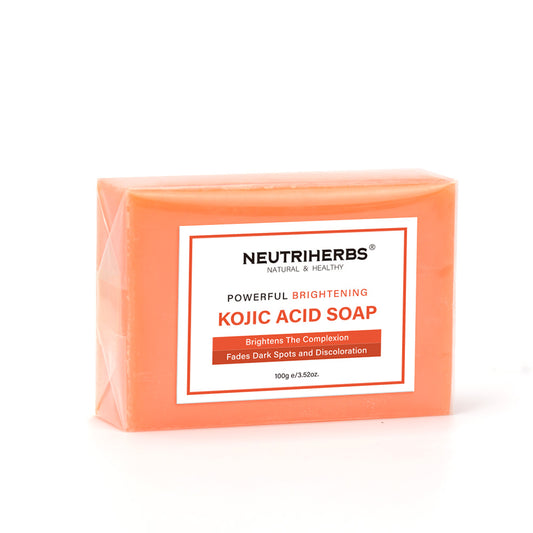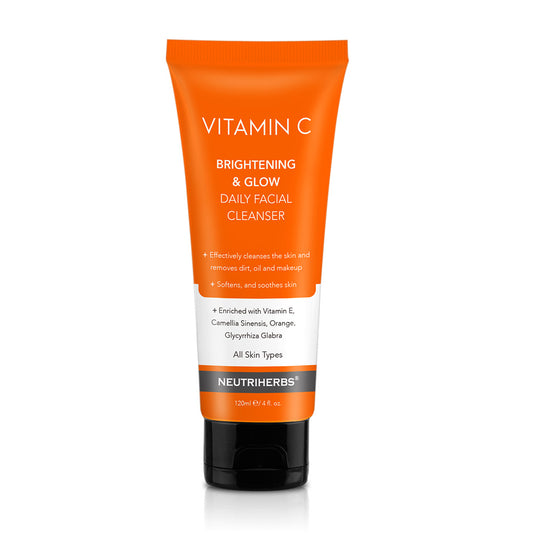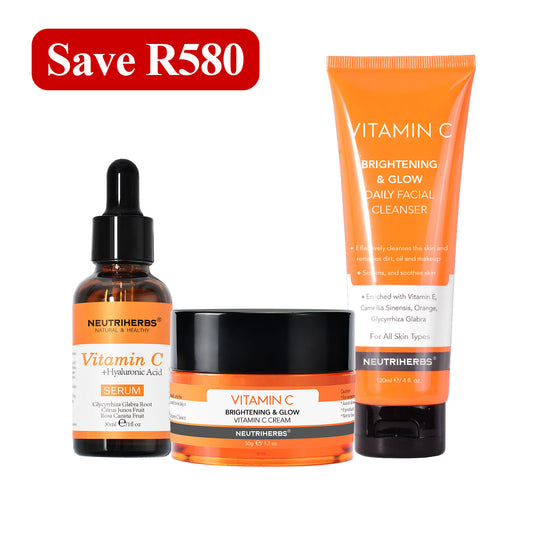

When you're dealing with stubborn dark spots, you want a solution that works—and works fast. In the skincare world, Kojic Acid and Glycolic Acid are the two heavy hitters often recommended for hyperpigmentation. But they aren't interchangeable.
Choosing between them depends on whether you want to "peel away" the surface damage or stop the pigment at its source. For those with melanin-rich skin, this distinction is the difference between a radiant glow and potential irritation.
The Quick Verdict: Which One Wins?
If you are looking for the fastest visible brightness, Glycolic Acid wins because it physically removes the top layer of stained skin cells. However, if you want to permanently fade a dark spot, Kojic Acid is superior because it travels deeper to inhibit the enzyme (tyrosinase) that creates the pigment in the first place.
The Pro Secret: Most dermatologists recommend a "Double-Action" approach. Use Glycolic Acid to clear the "debris" so that Kojic Acid can penetrate deeper and work more effectively on the root of the spot.

1. Kojic Acid: The Melanin Inhibitor
Kojic acid is a natural byproduct of fermented rice (used in Japanese sake). It is a favorite for dark skin because it targets hyperpigmentation without the risks associated with harsh bleaching agents like hydroquinone.
-
How it works: It blocks tyrosinase, the enzyme responsible for melanin production.
-
Best for: Melasma, sun spots, and post-acne marks (PIH).
-
Authority Insight: According to the American Academy of Dermatology (AAD), Kojic Acid is a recognized, gentle alternative for treating stubborn pigmentary disorders such as melasma.
2. Glycolic Acid: The Exfoliation Expert
Glycolic Acid is an alpha-hydroxy acid (AHA) with the smallest molecular size, allowing it to dive deep into the pores. It doesn't stop pigment from being made; it just helps you shed the pigment you already have.
-
How it works: It dissolves the "glue" holding dead skin cells together, speeding up cell turnover.
-
Best for: Surface dullness, rough texture, and "fading" spots through exfoliation.
-
Safety Note: While effective, high concentrations can be irritating for dark skin. Research published in PubMed shows that combining Glycolic Acid with a brightening agent (such as Kojic Acid) creates a highly synergistic effect for reducing melasma.
Our Top Recommendations for You
To help you get the best of both worlds, we've formulated products that respect your skin's natural barrier while delivering professional results.
For Daily Brightening: Vitamin C & Turmeric Soap
This soap is a fan-favorite for a reason. It pairs Vitamin C—another powerful antioxidant—with natural brightening extracts to help even out skin tone during your daily cleanse.

For Targeted Spot Correction: 8% AHA Serum
If you want the power of Glycolic Acid, our AHA Serum is the perfect balance. It exfoliates the skin surface to reveal a fresher layer while remaining gentle enough for regular use on diverse skin tones.

How to Build Your Routine
To see the fastest results without the redness, try this 3-step strategy:
-
Exfoliate (The Prep): Use an AHA (Glycolic) treatment 2–3 times a week to remove dead skin.
-
Treat (The Fade): Use a Kojic acid or Vitamin C serum daily to inhibit new pigment.
-
Protect (The Lock): Never skip sunscreen! UV rays trigger the very melanin these acids are trying to stop.
Conclusion
Both acids are incredible, but they play different roles. Glycolic acid is your "surface cleaner," and Kojic acid is your "pigment architect." Using them correctly—and together—is the fastest path to the clear, confident skin you deserve.