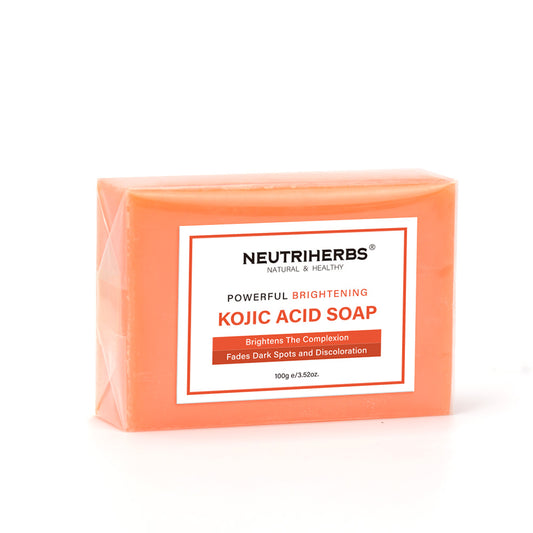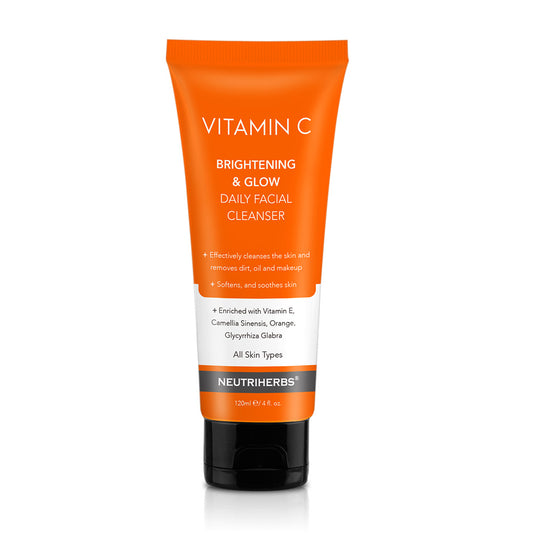

Hey there, friend! If you’ve noticed your rich, melanin-rich skin looking a bit dull, uneven, or tight lately, you are definitely not alone. Winter can be absolutely brutal on beautiful dark skin tones, especially when using active ingredients like kojic acid. Over 70% of people with higher skin phototypes experience more noticeable pigmentary changes, and winter dryness only magnifies the challenge (PMC). That is why I am sharing this essential survival guide today—to help you protect your natural radiance while keeping your skin barrier safe.
The Quick Answer: Can You Use Kojic Acid Soap in Winter?
Yes, you can use kojic acid soap during the winter, but you must reduce your usage frequency to 2–3 times a week and immediately follow up with a rich, barrier-repairing moisturizer. Because kojic acid suppresses tyrosinase to even skin tone, it can cause severe tightness and flaking if used daily on dry skin in cold climates.
Ready to learn how to keep your glow alive without the winter sting? Let’s dive deeper into how you can adjust your routine today.
Why Dark Skin Faces Unique Challenges in the Winter
When the temperature drops and the air loses its humidity, our skin's natural oil production takes a massive hit. For those of us celebrating beautiful dark skin phototypes, winter dryness doesn't just mean a few dry flakes. It often shows up as an ashy complexion, irritation, and a completely compromised moisture barrier.
When your skin barrier is damaged, it triggers an inflammatory response. For melanin-rich skin, inflammation often leads straight to post-inflammatory hyperpigmentation (PIH). So, trying to wash away dark spots with a harsh soap during a dry spell can, ironically, cause more dark spots if your skin gets irritated!
How Kojic Acid Affects Dry Skin in Cold Weather
Kojic acid is a naturally occurring ingredient derived from fungi and is highly regarded by dermatologists for its ability to target hypermelanosis and uneven skin tone (PMC). It functions by capturing copper ions, thereby blocking the key regulatory steps in melanin synthesis (PMC).
However, because most kojic acid soaps are formulated to deep-clean or strip excess oils, they can be incredibly drying. During the summer, your skin might tolerate daily use. But in winter, combining a cold breeze with an active tyrosinase inhibitor can cause redness, burning, and localized sensitivity.

Your Step-by-Step Winter Usage Protocol
To get all the radiance-boosting benefits without the dreaded winter flaking, you need to rewrite your skincare playbook. Here is exactly how an old friend would tell you to do it:
-
Dial it back: Limit your soap usage to two or three evenings a week. Never use it twice a day when it's freezing outside.
-
The 60-Second Rule: Do not let the soap sit on your skin like a mask. Wash your face gently for under a minute, then rinse thoroughly with lukewarm water. Hot water will only further strip your lipids.
-
The Sandwich Method: Wash your skin, pat it damp (not bone-dry), and instantly apply a hydrating serum followed by a heavy cream or body butter.

If your skin cannot tolerate active soaps during the peak of winter, switching to a nourishing formula rich in plant extracts, vitamin E, or niacinamide will preserve your glow safely without compromise.
Conclusion
Adjusting your routine for the cold season helps keep your melanin-rich skin bright, resilient, and exquisitely healthy all winter long. Are you ready to trade the winter dullness for a completely safe, hydrated, natural radiance that honors your unique shade?