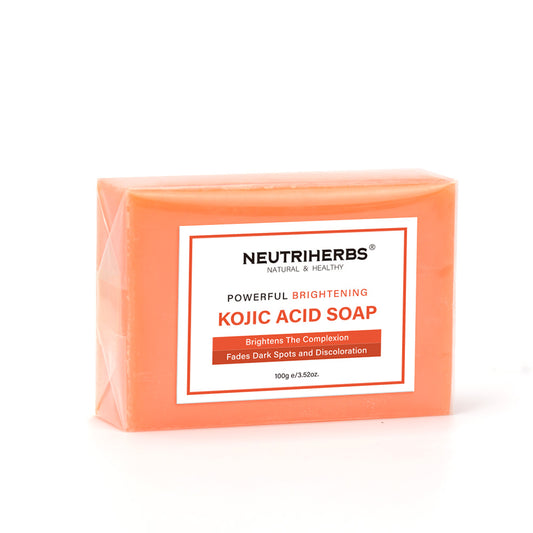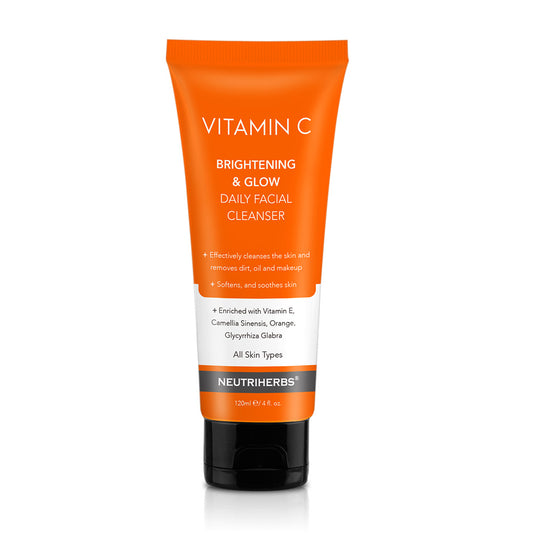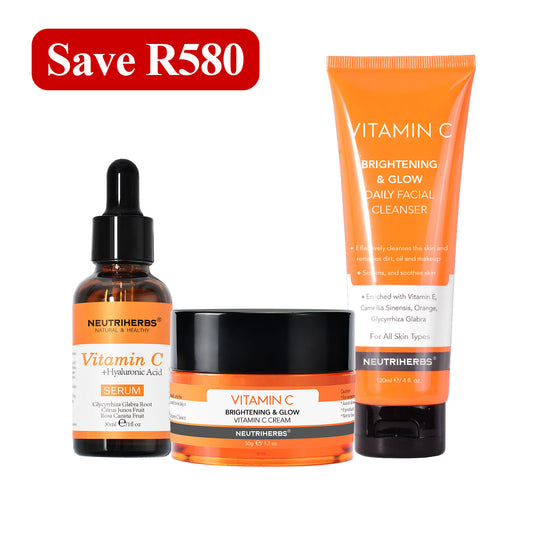

Let’s be honest: dealing with dark spots, hyperpigmentation, or an uneven skin tone can feel like an uphill battle. If you have been scrolling through skincare forums, you have likely seen people raving about kojic acid soap as a holy-grail solution for clearing stubborn discoloration.
But what if your skin is prone to redness, stinging, or irritation? If you have sensitive skin, introducing a potent active ingredient can feel downright terrifying. The good news is that you don’t have to sit out on the radiance revolution. You just need to know how to use this powerful ingredient safely.
Read on to discover how you can harness the brilliant benefits of kojic acid without sacrificing your skin barrier.
What is Kojic Acid and How Does It Work?
Kojic acid is a naturally occurring compound derived from certain fungi, such as Aspergillus oryzae (interestingly, the same fungi used to ferment Japanese sake). In the field of dermatology, it is widely regarded as a potent tyrosinase inhibitor.
To put it simply, tyrosinase is the rate-limiting enzyme in your skin that kicks melanin production into overdrive when triggered by sun exposure, acne breakouts, or hormonal shifts. By gently putting the brakes on this enzyme, kojic acid helps fade existing dark spots and prevents new ones from forming.
Unlike historical alternatives like hydroquinone—which carries risks of permanent depigmentation or exogenous ochronosis (a deep blue-black discoloration) with long-term use—kojic acid does not permanently alter your pigment cells. It simply works to bring out your skin’s natural, uniform radiance.

The Catch: Sensitive Skin and the Risks of Irritation
While the benefits sound amazing, kojic acid is a highly active substance. According to a comprehensive review published in Cosmetics, kojic acid can cause contact dermatitis, skin sensitization, and increased irritation when used improperly or at high concentrations.
For those of us with sensitive skin or rich, melanin-dense tones, inflammation is our worst enemy. When sensitive skin becomes irritated, it often responds by triggering more melanin production, leading to a frustrating cycle known as post-inflammatory hyperpigmentation (PIH).
Furthermore, many traditional clearing soaps on the market are formulated with harsh, stripping anionic surfactants. These can disrupt your skin’s delicate lipid barrier, raise your skin's natural pH, and leave your face feeling uncomfortably tight and raw.
To dive deeper into how different depigmenting actives affect skin health and cellular safety, you can read the comparative study available on the National Center for Biotechnology Information (NCBI).
How to Safely Use Kojic Acid Soap for Sensitive Skin
You don’t have to give up on your hyperpigmentation goals just because your skin is sensitive. By adopting a cautious, mindful approach, you can easily minimize the risk of irritation. Follow this step-by-step safety guide to keep your skin happy:
1. The 48-Hour Patch Test
Before applying any active soap to your face or neck, perform a patch test. Lather a tiny amount of the soap behind your ear or on your inner forearm. Wash it off after 30 seconds and wait a full 48 hours to check for any signs of itching, redness, or bumps.
2. Limit Contact Time (The Short-Contact Method)
Do not leave active soaps on sensitive skin like a mask. Start by lathering the soap in your hands, gently massaging it into your skin for 15 to 30 seconds, then rinse thoroughly with lukewarm water.
3. Ease In Slowly
Your skin needs time to build tolerance. Start by using the soap only twice a week as part of your evening routine. If your skin barrier shows no signs of irritation after two weeks, you can gradually increase usage to every other night.
4. Skip the Physical Scrubbing
Never pair an active clearing soap with aggressive physical exfoliants like coarse washcloths, facial brushes, or loofahs. Let the chemical properties of the ingredients do the work for you; your hands are more than enough.
5. Prioritize Barrier Repair and Sun Protection
Kojic acid can increase your skin's vulnerability to UV damage. Always follow up with a deeply hydrating moisturizer packed with ceramides or panthenol, and never skip a broad-spectrum sunscreen during the day.

For an official dermatological perspective on the safety standards and irritation risks associated with topical cosmeceuticals, check out the clinical review published on MDPI Cosmetics.
A Smarter Solution for Sensitive Skin
If standard kojic acid soaps still feel a bit too intimidating for your delicate skin barrier, you don't have to look far for an alternative. Modern skincare science allows us to combine gentle, plant-derived brighteners with powerful, non-irritating antioxidants to get the exact same glowing results without the redness.
Look for sophisticated formulations that utilize Phenylethyl Resorcinol (SymWhite 377), Glutathione, and pure Vitamin C. These ingredients work synergistically to target uneven skin tone and minimize dark spots from the inside out, while keeping your skin's surface calm, hydrated, and comfortable.

Ready to Reveal Your Natural Glow?
Achieving an even, luminous complexion doesn't require stripping or irritating your skin. True skin confidence comes from respecting your unique shade and supporting your skin barrier with clean, dermatologist-tested care.
Explore the beautifully balanced solutions in the Neutriherbs Skincare Collection to find the perfect, gentle match for your radiant skin journey.
Reference
-
Saeedi, M., Eslamifar, M., & Khezri, M. R. (2021). Kojic acid applications in cosmetic and pharmaceutical preparations. Biomedicine & Pharmacotherapy, 140, 111717. https://doi.org/10.1016/j.biopha.2021.111717
-
Burnett, C. L., Bergfeld, W. F., Belsito, D. V., Hill, R. A., Klaassen, C. D., Liebler, D. C., Marks, J. G., Shank, R. C., Slaga, T. J., Snyder, P. W., & Andersen, F. A. (2010). Final report of the safety assessment of Kojic Acid as used in cosmetics. International Journal of Toxicology, 29(6_suppl), 244S-273S. https://doi.org/10.1177/1091581810385956