
Many South African women are no strangers to the struggle with dark marks and uneven patches. In fact, hyperpigmentation is one of the top five skin concerns across the country. While we often blame the intense Mzansi sun, there are several "hidden" triggers that could be undoing your hard work.
At Neutriherbs, we believe in Confidence, Not Whitening. Our goal isn't to change your natural shade but to help you achieve a clear, radiant, and healthy complexion that glows from within.
The Science: Why Darker Skin is More Reactive
If you have a deeper skin tone (Fitzpatrick types 3 to 6), your skin contains more reactive melanocytes—the cells that produce pigment. While this offers some natural protection, it also means your skin is "trigger-happy." Any irritation or injury can cause these cells to overproduce melanin, leading to long-lasting dark spots.

Trigger 1: Urban Pollutants in Our Cities
Living in bustling hubs like Johannesburg or Cape Town means your skin is constantly exposed to urban pollutants. Microscopic particles from traffic and industrial activity generate "reactive oxygen species" on your skin. These molecules send stress signals to your melanocytes, telling them to darken even if you aren't standing directly in the sun.
Trigger 2: The "Hidden" Inflammation
We often think of "skin injury" as a major cut, but in South Africa, hyperpigmentation is frequently triggered by everyday inflammation like acne, insect bites, or even eczema. This is known as Post-Inflammatory Hyperpigmentation (PIH). If you're picking at a small blemish, you're essentially inviting a dark mark to stay for months.
Trigger 3: Hormonal Shifts and Melasma
Often called the "mask of pregnancy," melasma appears as symmetrical dark patches on the forehead, cheeks, or jawline. In South Africa, our mix of a sunny climate and hormonal changes—from contraceptives or pregnancy—makes melasma particularly persistent. Unlike sunspots, melasma is deeply tied to internal triggers and requires consistent, gentle care.
How to Fight Back and Restore Your Glow
To effectively manage these triggers, you need a routine that both treats existing marks and prevents new ones from forming.
Step 1: The Brightening Superbooster
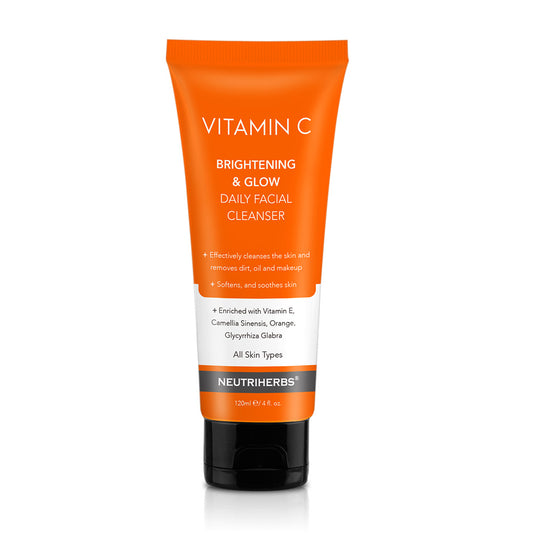
Look for high-quality Vitamin C. It is a powerful antioxidant that shields your skin from environmental stressors while reducing melanin buildup.

Step 2: The Non-Negotiable Protection
Sun protection is the most important step for SA skin. Even on cloudy days in the Western Cape, UV rays are stimulating your melanocytes. You need a broad-spectrum SPF 50 that doesn't leave a grey, chalky cast on dark skin.

Relatable Skin Journey: You are Not Alone
Many of our community members in South Africa have shared that dealing with stubborn marks is frustrating. Remember, your glow is not a trend—it is your true beauty. By understanding these hidden triggers and using dermatologist-tested, clean beauty formulas, you can protect your every shade.
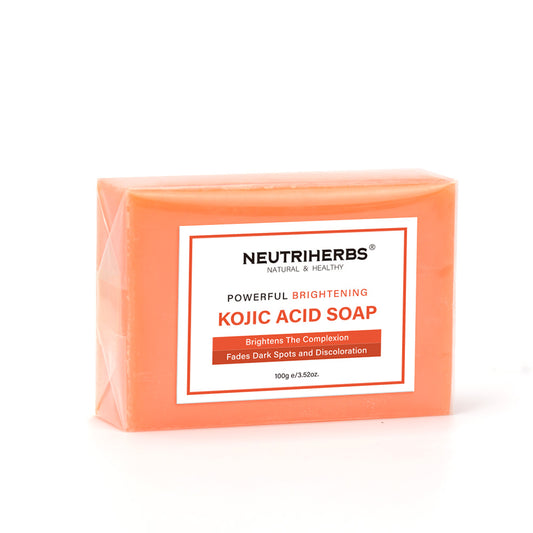
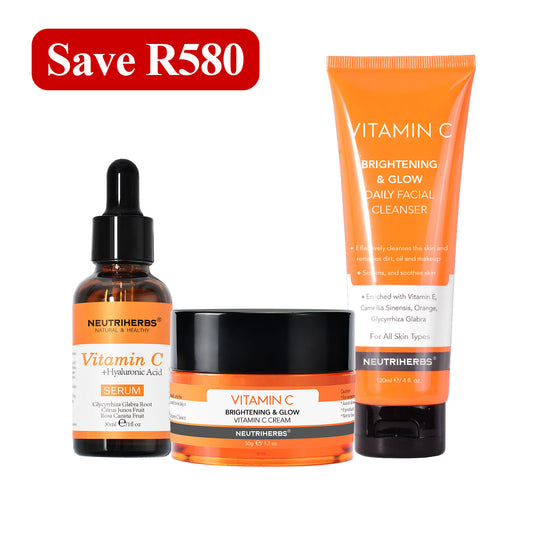
Ready to start your journey to clarity? Explore the full Neutriherbs Brightening Collection and reclaim your natural radiance today.
References:
-
SkiNcolab. (2022). Pigmentation - a top concern for South African skin.
-
Skin Reform. (2025). Hyperpigmentation Treatment South Africa | Dark Mark Removal Guide.