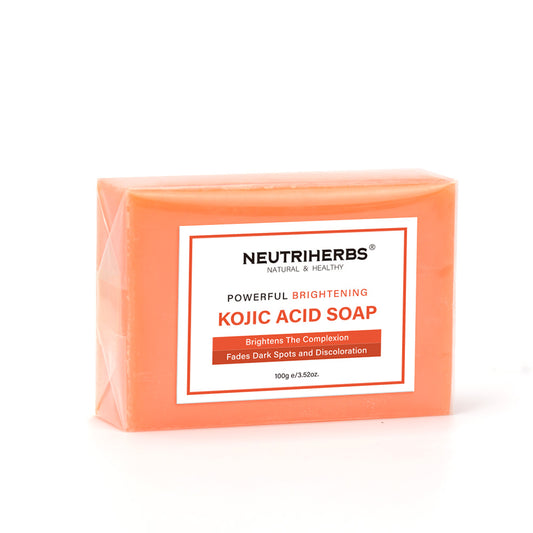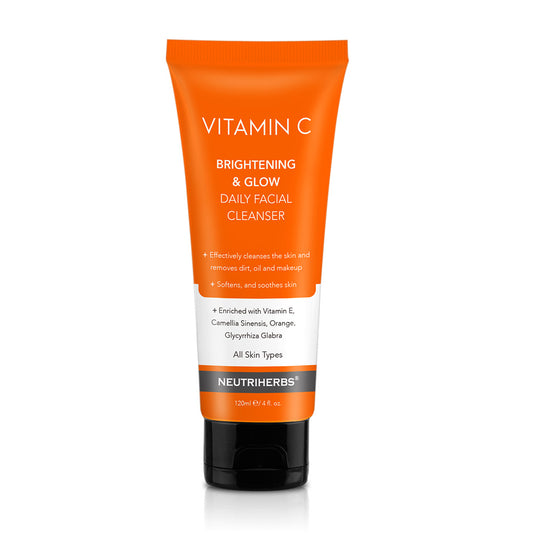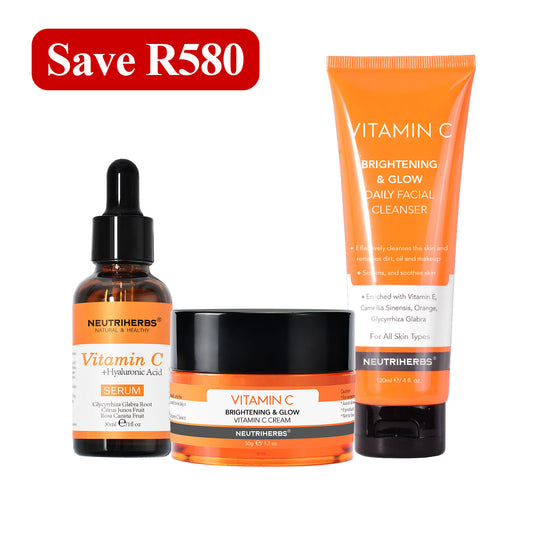

Have you ever avoided wearing a backless dress or a v-neck top because of stubborn dark spots on your chest and back? You’re not alone. For those of us with melanin-rich skin, "bacne" and chest breakouts often leave behind a lingering "souvenir": dark spots known as Post-Inflammatory Hyperpigmentation (PIH).
But here’s the good news: your skin is incredibly resilient. Treating these spots isn’t about "whitening" or changing your beautiful natural shade; it’s about restoring clarity and celebrating your skin's natural radiance.
What Causes Dark Spots on the Body?
Dark spots on the chest and back typically occur when an inflammatory event—like acne, a scratch, or even friction from tight gym clothes—triggers your melanocytes to overproduce pigment as the skin heals. Because darker skin tones have more active melanocytes, these spots can appear more intensely and last longer than on lighter skin types.
The Pillar Approach: Your 3-Step Strategy for Clear Skin
To effectively fade these marks, you need a strategy that targets the root causes while protecting your progress.
1. Exfoliate to Fade
The first step in treating hyperpigmentation of the skin is to speed up cell turnover. Ingredients like Salicylic Acid (BHA) and Glycolic Acid (AHA) are gold standards. They gently dissolve the "glue" that holds pigmented dead skin cells together, allowing fresher, more evenly toned skin to surface.
For the back and chest, a targeted wash is often the easiest way to treat hard-to-reach areas.

2. Brighten with Care
Once you’ve exfoliated, it’s time to use "pigment suppressors." Ingredients like Vitamin C and Niacinamide are incredible because they help block the enzymes that create excess melanin without harming your skin cells.
Vitamin C, in particular, is a powerful antioxidant that not only fades existing spots but also shields your skin from environmental damage that can worsen hyperpigmentation.

3. Protect Your Progress
If you treat dark spots but skip sun protection, you’re essentially taking one step forward and two steps back. UV rays are the biggest "fuel" for hyperpigmentation. Even on the body, areas exposed to the sun (like your chest) need a broad-spectrum SPF to prevent spots from darkening further.
Relatable Skin Story: The "Gym Bacne" Struggle
We’ve all been there—hitting the gym hard, only to find a cluster of spots on our back a week later. Sweat trapped under synthetic fabrics can lead to "Malassezia folliculitis" or standard acne. The key is to shower immediately after your workout with a purifying wash, then follow up with a brightening moisturizer to stop PIH before it starts.
The Professional Verdict
Dermatologists agree that consistency is more important than intensity. Over-scrubbing or using harsh "bleaching" creams can cause further inflammation, which actually triggers more dark spots. Stick to clean, dermatologist-tested formulas that respect your skin's barrier.

Ready to Glow?
Treating dark spots on the body takes patience—usually 4 to 8 weeks to see significant change—but the results are worth it. By combining gentle exfoliation with powerful natural brighteners, you can reveal the smooth, radiant skin you deserve.
Explore the Neutriherbs Body Care Collection today and start your journey to a more confident you!
Authentic References:
-
StatPearls (NIH): Postinflammatory Hyperpigmentation Pathogenesis and Management
-
Journal of Clinical and Aesthetic Dermatology (PMC): Hyperpigmentation Therapy in Skin of Color