
If you are living in South Africa, you know that our relationship with the sun is a daily reality. But for many women, another silent factor plays a massive role in how our skin looks and behaves: hormones.
Have you ever noticed dark patches appearing on your cheeks, forehead, or upper lip seemingly out of nowhere? Or perhaps you’ve battled stubborn acne scars that just won’t fade, no matter how much you exfoliate? You aren't alone. In fact, hormonal hyperpigmentation—often called melasma or chloasma—is one of the most common skin concerns among women with melanin-rich skin in South Africa.
This isn’t about "whitening" your beautiful skin tone. It’s about understanding the biology beneath the surface so you can achieve clarity, radiance, and an even tone that makes you feel confident. In this comprehensive guide, we’re diving deep into the science of hormones, the impact of the African climate, and the clean, science-backed solutions to help you manage it.
The Science: Why Do Hormones Trigger Dark Spots?
To understand the cure, we must understand the cause. Your skin contains cells called melanocytes, which are responsible for producing melanin (the pigment that gives your skin its color). Think of melanocytes as tiny factories.
When your hormones fluctuate—specifically estrogen and progesterone—they can send signals to these factories to go into overtime. This overproduction of pigment doesn't occur evenly; it clumps, forming dark patches or spots. This condition is frequently referred to as the "mask of pregnancy," but it affects many women who aren't expecting.
The Primary Hormonal Triggers
- Pregnancy: The dramatic hormonal surge often leads to melasma.
- Contraceptives: Birth control pills and hormonal IUDs mimic pregnancy hormones, which can trigger the same hyperpigmentation response.
- Stress: High levels of cortisol (the stress hormone) can also trigger inflammation, leading to breakouts and subsequent dark spots (Post-Inflammatory Hyperpigmentation).

The South African Factor: The Sun is the Catalyst
Here is the crucial piece of the puzzle for SA women: Hormones load the gun, but the sun pulls the trigger.
South Africa has one of the highest UV indices in the world. Even if your hormones are priming your skin for pigmentation, those dark spots often won't appear—or won't be as severe—without exposure to UV rays. Ultraviolet light further stimulates melanocytes.
For women with darker skin tones (Fitzpatrick types IV-VI), this is a double-edged sword. While melanin provides some natural protection, melanin-rich skin is also more reactive to inflammation and UV damage, making hyperpigmentation more stubborn and harder to fade.
Identifying Your Type of Hormonal Pigmentation
Before you rush to buy a basket full of products, you need to know what you are treating.
1. Melasma
- What it looks like: Symmetrical, blotchy patches on the face (cheeks, bridge of nose, forehead, upper lip).
- The Cause: Internal hormonal shifts + Sun exposure.
- The Challenge: It is stubborn and can come back with heat exposure.
2. Post-Inflammatory Hyperpigmentation (PIH)
- What it looks like: Flat dark spots left behind after acne, insect bites, or skin irritation.
- The Cause: Inflammation. Hormonal acne is a major driver of PIH in adult women.
- The Challenge: Requires patience and support for cell turnover.
The Clean Beauty Solution: Ingredients That Work (Safely)
At Neutriherbs, our philosophy is Confidence, Not Whitening. We believe in respecting every shade. This means we avoid harsh, banned substances like Hydroquinone or Mercury, which can damage African skin permanently. Instead, we rely on science-backed ingredients that brighten and clarify.
1. Vitamin C: The Radiance Booster
Vitamin C is a powerhouse for hormonal pigmentation. It inhibits the enzyme tyrosinase, which is essential for pigment production.
- Why we love it: It not only fades existing spots but acts as an antioxidant to protect against future sun damage.
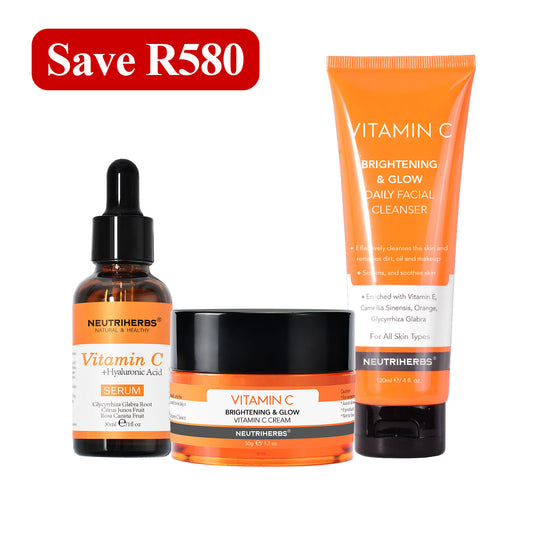
- Neutriherbs Recommendation: Our Vitamin C Serum, combined with Hyaluronic Acid, is designed to penetrate deeply, brightening the complexion while keeping it hydrated.

2. SymWhite 377: The Modern Brightener
If you are looking for potent results without side effects, consider SymWhite 377 (Phenylethyl Resorcinol). It is a powerful antioxidant derived from pine trees.
- Why we love it: It is incredibly effective at blocking melanin production at the source, yet gentle enough for daily use.
- Neutriherbs Recommendation: The Lighten Skin Face Cream uses SymWhite 377 and Tranexamic Acid to visibly reduce dullness and dark spots within 14 days.

3. Retinol: The Cell Renewer
Retinol (Vitamin A) speeds up cell turnover, helping shed pigmented surface cells more quickly. Note: Do not use Retinol if you are pregnant or breastfeeding.
- Why we love it: It smooths texture and fades stubborn PIH.
- Neutriherbs Recommendation: Our Retinol Cream supports natural collagen production and faster cell turnover for smoother, younger-looking skin.

Your 4-Step Routine to Manage Hormonal Pigmentation
Consistency is key. Here is a simple, effective routine tailored for the South African climate.
Morning: Protect and Prevent
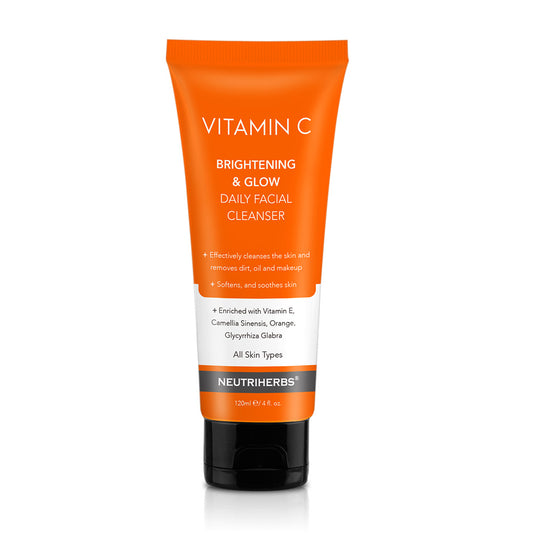
- Cleanse: Use a gentle cleanser that doesn't strip your moisture barrier. The Vitamin C Brightening & Glow Facial Cleanser helps soothe and purify the skin.
- Treat: Apply Vitamin C Serum to clean, dry skin. This adds a layer of antioxidant protection against the day's UV rays.
- Moisturize: Lock in hydration.
- Protect (Non-Negotiable): Apply SPF 50 Sunscreen. Our Vitamin C Sunscreen Lotion offers multi-protection without leaving that dreaded grey/white cast on dark skin.
Evening: Repair and Correct
- Cleanse: Wash away the day's pollution.
- Exfoliate (2-3 times a week): Use an AHA serum to gently remove dead skin cells.
- Target: Apply Lighten Skin Face Serum or Retinol Serum (on alternate nights) to target deep-set pigment.
- Nourish: Finish with a restoring night cream.
Lifestyle Factors: It’s Not Just Skincare
Since the root cause is internal, your approach must be holistic.
- Cool Down: Heat alone can trigger melasma. If you've been exercising or out in the SA heat, wash your face with cool water immediately.
- Diet: Anti-inflammatory foods (leafy greens, berries, fatty fish) can help regulate hormonal inflammation.
- Patience: Hormonal pigmentation is deep. It can take 2-3 months of consistent routine to see significant changes. Don't give up!
Embracing Your Natural Glow
Dealing with hormonal hyperpigmentation can be frustrating, but it doesn't define your beauty. By switching to safe, effective ingredients and committing to sun protection, you can manage these changes and reveal your skin's natural, healthy radiance.
We are here to support your journey with products that are safe, sustainable, and specifically formulated for African skin.
If you’re ready to embrace your natural glow, check out our Neutriherbs Lighten Skin Series — designed to respect every shade while keeping your skin healthy and radiant.